Choose the right spread
The single-card spread is best for quick clarity, while the three-card and relationship options give more context. Picking the right format makes the reading feel more grounded and less random.
Connect with the cosmos. Enter your question and choose a spread for insight.
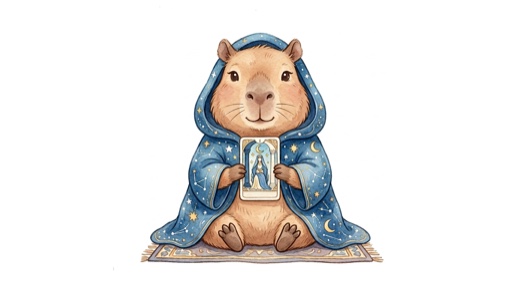
1 card · Quick guidance for a focused question.
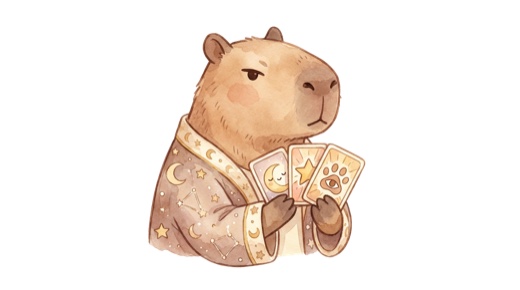
3 cards · Past, Present, Future flow.
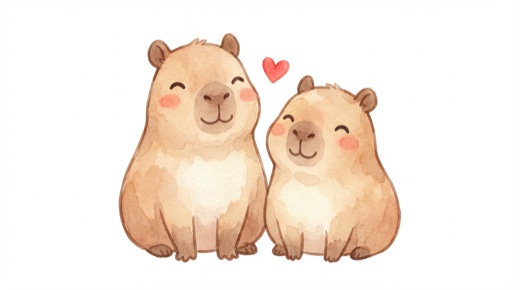
2 cards · Explore two energies in connection.
Tarot Guidance is the main tarot entry point on Capybara Healing. Instead of landing on a blank ritual page, visitors can decide what kind of reading they want, frame a question, and choose a spread that matches the weight of the situation they are thinking about.
The single-card spread is best for quick clarity, while the three-card and relationship options give more context. Picking the right format makes the reading feel more grounded and less random.
Open questions like “What do I need to understand here?” usually produce better tarot reflections than yes-or-no prompts. A little specificity helps the interpretation stay emotionally useful.
If you want more background before drawing, the blog article Tarot Card Generator explains how online tarot readings work, what they are good for, and how to get more meaningful results.
Yes. You can start with a free AI tarot reading by choosing a spread, writing a question, and drawing cards online. The AI response uses your question and the selected spread to make the reading feel more personal than a static card meaning.
An AI tarot card generator helps create or interpret tarot cards with artificial intelligence. On Capybara Healing, the focus is interpretation: you draw cards, then the site turns the spread into a readable tarot reflection for love, career, daily guidance, or emotional clarity.
Choose one card for quick daily guidance, three cards for past-present-future context, and relationship spreads when the question involves another person. If the situation feels complex, a longer spread usually gives the AI more room to connect the cards.
Tarot is best used as a reflection tool, not a guaranteed prediction. A good online tarot reading can help you notice patterns, name feelings, and think through choices, but important life, health, legal, or financial decisions should rely on real-world judgment and professional advice.